
Expert Brown Trout Fishing Guide Cotter AR
Brown Trout Fishing in Cotter - What to Expect

Guided Fishing Trip by Guide Joe Story in May
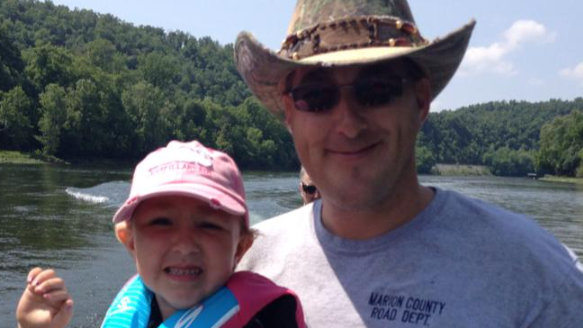
- Trout action on Arkansas’ White River


Summary
Join a guided fishing trip on the White River in Cotter, AR where brown trout thrive in the cool, flowing waters. On Friday in May, anglers experience firsthand how river conditions shape fish behavior and feeding patterns. This outing combines expert guidance with pristine Ozark scenery, teaching you why the White River remains one of Arkansas' premier brown trout destinations.
Guided Fishing Trip with Joe Story of Joe's Guide Service - Rates & Booking
Guide Joe Story of Joe's Guide Service operates guided fishing trips on the White River near Cotter, Arkansas. These outings target brown trout in their natural habitat, where river dynamics and seasonal patterns directly influence success. Contact Joe's Guide Service to discuss trip availability, group size options, and what gear is provided versus what you should bring. Booking a guided experience ensures you learn proper technique while fishing waters managed specifically for trout populations.
Brown trout respond to river conditions in predictable ways. Understanding water temperature, flow rates, and light penetration helps explain why certain times of day produce better results. A guided approach means you'll learn these factors hands-on rather than through trial and error alone.
Highlights of Your White River Guided Fishing Trip
The White River near Cotter flows through lush forest terrain, creating an environment where brown trout flourish. The river's cold, clear water and consistent flow patterns make this region exceptional for trout fishing. You'll experience the blend of technical angling and natural Ozark beauty that draws anglers to this area repeatedly.
Fishing with Joe Story means accessing local knowledge about seasonal movements, preferred feeding zones, and which techniques work best at different water levels. The forest backdrop indicates healthy riparian conditions that support robust trout populations and create ideal conditions for both fish and anglers.
Local Brown Trout Insights
Brown trout are sophisticated predators adapted to fast-moving water. In the White River, they hold in specific locations based on current speed, depth, and cover availability. Understanding these habitat preferences explains why guides direct you to particular stretches and why casting technique matters significantly.
Brown trout feed actively when light conditions and water temperature align properly. Morning and late afternoon often produce more strikes because trout move into shallower, feeding positions. The river's cooler temperatures support sustained trout activity throughout the season, unlike warmer systems where fish restrict feeding to specific times.
These fish respond to both live and artificial presentations, but their selectivity increases with fishing pressure. A guide familiar with local trout psychology helps you match presentations to current conditions and fish mood. The forest environment you see in the background directly supports this ecosystem - shade from trees keeps water cool while providing cover that trout depend on.
Brown trout in the White River system tend to hold near structure like fallen trees, root systems, and undercut banks where guides know to focus effort. Their behavior changes between seasons as water temperature and food availability shift. Spring and early summer fishing differs from fall patterns, which explains why timing your trip involves more than just convenience - it's about matching conditions when trout feed most actively.
The guided trip format lets you observe how professionals read water, identify likely holding zones, and adjust presentations based on response rates. You'll learn why some spots produce immediately while others require patience and technique refinement. This educational component transforms a simple fishing outing into training in aquatic ecology and predator behavior.
