
Trophy Brown Trout Catch Cotter Arkansas
Brown Trout Fishing in Cotter - What to Expect

Guided Fishing Trip by Guide Joe Story in August

- Trout action on Arkansas’ White River


Summary
Join a guided fishing trip on the White River in Cotter, Arkansas on Saturday, August 1st to pursue brown trout with Joe Story. This immersive experience showcases why the White River remains one of the region's premier fishing destinations, where anglers regularly connect with healthy populations of this prized species. Perfect for both seasoned fishermen and those seeking their first trophy catch.
Guided Fishing with Joe Story - Rates & Booking
Guide Joe Story of Joe's Guide Service takes anglers onto the White River on Saturday, August 1st to pursue brown trout in their prime habitat. When you book a guided fishing trip, you're tapping into years of local expertise and intimate knowledge of these waters. Joe provides everything needed for a successful day, including professional-grade equipment and instruction tailored to your skill level. The White River's consistent flow and cool temperatures create ideal conditions year-round, but summer brings particularly active feeding periods. To secure your spot and learn current rates, contact Joe's Guide Service directly for availability and customized trip details.
Highlights of Your Brown Trout Experience
The White River near Cotter is renowned for its trophy-class brown trout populations. These powerful fish thrive in the river's clear, oxygen-rich waters, which flow from a massive dam upstream. You'll experience the thrill of detecting strikes on your line and the challenge of playing these intelligent fish in their native current. The river corridor itself showcases pristine Ozark scenery, with limestone bluffs framing productive fishing zones where browns congregate year-round.
Working with a local guide dramatically increases your chances of connecting with quality fish. Joe positions the boat in prime feeding zones, demonstrates proven techniques, and reads water conditions in real-time. Whether you're sight-fishing shallows or probing deep holes, you'll gain practical skills applicable to future outings.
Local Species Insights: Brown Trout
Brown trout in the White River represent some of the most challenging and rewarding gamefish available to Arkansas anglers. Unlike their rainbow cousins, browns are inherently cautious and nocturnal feeders, often holding in deeper current breaks and shaded areas during daylight hours. The White River's tailwater environment below the dam creates perfect conditions for these cold-water specialists, with year-round temperatures between 55-65 degrees Fahrenheit.
These fish exhibit predictable behavior patterns: they feed most actively during low-light conditions and when food sources drift past their holding zones. In summer, browns tend to stage in deeper pools and current seams where the water remains coolest. Your guide will position you to capitalize on these habits, using streamers, nymphs, or other presentations depending on water conditions and season.
What makes brown trout particularly exciting is their combination of size and intelligence. The White River regularly produces fish in the 18-24 inch range, with larger specimens possible for anglers targeting the right zones at the right times. Browns fight with determination and cunning, using current to their advantage and often making dramatic head-shaking runs once hooked. Their aggressive response to well-presented lures makes them thrilling targets, whether you're casting from a boat or wading the shallows.
The visual element of your fishing adventure adds another dimension. You'll see the river's ecosystem firsthand: minnow populations that browns feed on, aquatic insects hatching throughout the day, and the clear water that allows sight-fishing opportunities. On productive mornings, you might witness rises indicating feeding activity before casting your line.
Fishing in White River: Sea Trout
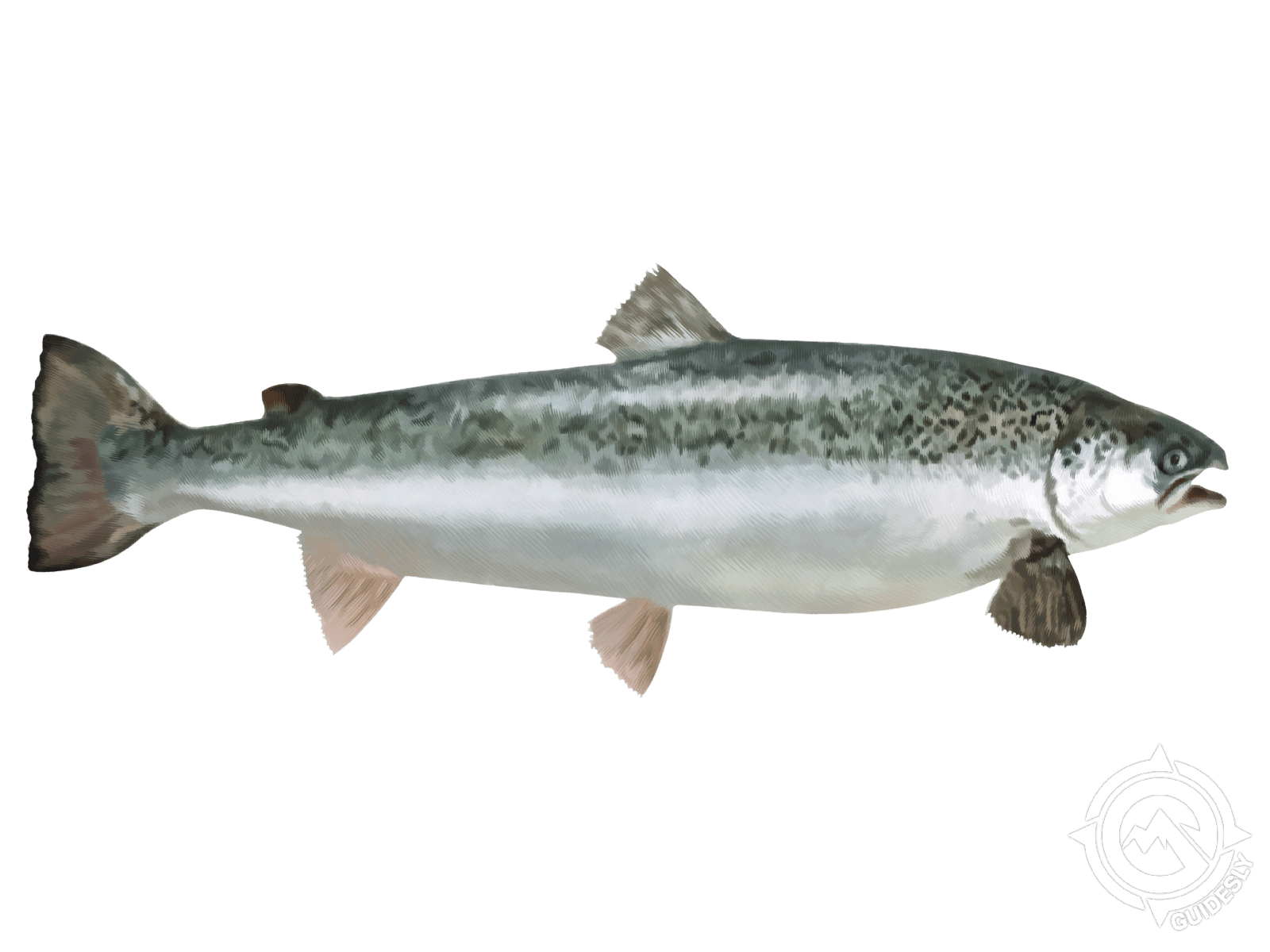
Sea Trout Overview
The Sea Trout (Salmo trutta), also known as Spotted Sea Trout or Speckled Trout, belongs to the family Salmonidae and the order Salmoniformes. These remarkable anadromous fish are known for their torpedo-shaped bodies, silvery coloration, and distinctive spots that cover their entire frame. What makes Sea Trout truly special is their fascinating life cycle—they migrate from ocean environments back to freshwater rivers to spawn, a behavior that has captivated anglers and naturalists for centuries. Whether you're fishing coastal estuaries or exploring inland river systems, the Sea Trout represents one of the most prized and challenging catches in both recreational and commercial fishing.
Sea Trout Habitat and Distribution
Sea Trout thrive in cold lakes and rivers where temperatures remain between 33.8 to 80.6°F, and they spawn on gravel bottoms of streams and rivers, typically during November through December. These fish have established themselves across vast regions of Europe, particularly along the coasts of Iceland, the United Kingdom, and throughout the Atlantic and Baltic areas. They're also found in abundance in the Caspian and Black Seas, though notably absent from the Mediterranean. In North America, Sea Trout populations exist in Canadian rivers, the Columbia River system, and along both Atlantic and Pacific coasts. Estuarine environments are particularly important to Sea Trout, as they provide the brackish water conditions where these fish spend much of their adult lives before returning to freshwater for spawning.
Sea Trout Size and Weight
Adult Sea Trout typically grow between 20 to 55 inches in length, though most commonly encountered specimens range from 14 to 24 inches. Their weight generally ranges from 1 to 6 pounds for average catches, though exceptional specimens have been documented at up to 40 pounds in certain instances. This size variation often reflects the time spent in saltwater environments—Sea Trout that spend more time in the ocean tend to develop larger frames and greater weights compared to their freshwater counterparts. Young Sea Trout, called parr when in freshwater, remain in rivers and streams for approximately five years before beginning their journey to the sea, during which they can travel up to 40 kilometers in a single day.
Sea Trout Diet and Behavior
Sea Trout are opportunistic feeders with a diverse diet that includes shrimp, prawns, small crabs, and various fish species. They also consume zooplankton and zoobenthos, making them active hunters both in saltwater and freshwater environments. One fascinating behavioral aspect is their color-changing ability: when in freshwater, they develop an olive coloration, but upon returning to saltwater, they transform to a brilliant silvery appearance. During the breeding season, male Sea Trout develop a distinctive hook-like protrusion on their lower jaw called a kype, which serves as a visual indicator of their spawning readiness. These fish are known as excellent fighters, making them highly valued by anglers who appreciate their strength and acrobatic displays when hooked.
Sea Trout Spawning and Seasonal Activity
Sea Trout typically spawn from November through December, returning to the freshwater rivers and streams where they were born to complete their reproductive cycle. This anadromous migration is one of nature's most impressive journeys—young Sea Trout spend nearly five years in freshwater before the urge to explore the ocean becomes irresistible. Upon reaching sexual maturity in the sea, they return to their natal rivers with remarkable precision, often traveling significant distances to reach suitable spawning grounds. In South Carolina and similar regions, Sea Trout typically inhabit estuaries year-round but may congregate in deeper channels and rivers during winter months to overwinter, which can create excellent fishing opportunities during the colder seasons when fishing pressure intensifies in these concentrated areas.
Sea Trout Techniques for Observation and Capture
Freshwater anglers typically employ fly fishing methods when targeting Sea Trout, using flies that mimic their natural prey. Commercial and saltwater anglers achieve excellent results with spinners, jerk baits, topwater plugs, plastic shrimp, spoons, and plastic tail grub jigs. Live bait strategies are also highly effective, particularly using herring and mackerel strips dipped near the sea bed where Sea Trout actively feed. For optimal success, focus your efforts on grass flats and shallow waters during nighttime hours when these fish are most active and aggressive. If direct sight-fishing proves challenging, trolling at idle speed through known Sea Trout habitats can be productive. During winter months, when Sea Trout form large schools in deeper waters reaching depths of approximately 164 feet, adjusting your tactics to target these concentrated populations can dramatically improve catch rates. Around coastal regions and estuarine systems, timing your fishing trips for early morning, late evening, and nighttime periods will maximize your encounters with active, feeding Sea Trout.
Sea Trout Culinary and Utilization Notes
Sea Trout, or Speckled Trout as they're often called, has earned its reputation as a popular table fish with moderate, flaky white meat that appeals to many diners. The flesh tends to be more tender and less oily compared to larger salmonids like salmon or steelhead, making it an excellent choice for various cooking methods. The delicate flavor profile is mild and refined, though it can vary depending on the fish's origin and diet. A critical cooking tip: avoid overcooking Sea Trout, as the tender flesh can quickly become mushy if subjected to excessive heat. From a nutritional standpoint, Sea Trout is an excellent source of high-quality protein and omega-3 fatty acids, nutrients scientifically linked to improved brain function, heart health, and overall cardiovascular benefits. In some European countries like Germany, this species is protected and highly regulated, reflecting its cultural and ecological importance to local communities and ecosystems.
Sea Trout Frequently Asked Questions
Q: What is the best bait or lure for catching Sea Trout?
A: Sea Trout respond exceptionally well to a variety of artificial lures, with jerk baits, topwater plugs, plastic shrimp, spoons, and plastic tail grub jigs being among the most effective options. Live bait enthusiasts find success with herring and mackerel strips dropped near the sea bed. Fly fishing with appropriate trout flies is also highly productive in freshwater environments. The key is matching the lure size and action to mimic the natural prey Sea Trout actively hunt.
Q: Where are the best locations to find Sea Trout?
A: Sea Trout congregate in grass flats, shallow coastal waters, and estuarine systems where freshwater meets saltwater. They prefer areas with suitable gravel bottoms for spawning and abundant food sources. In coastal regions, look for them in inshore and nearshore environments, particularly around river mouths and tidal creeks. Estuarine areas provide year-round habitat, making them reliable locations for consistent Sea Trout encounters.
Q: Is Sea Trout good to eat, and how should it be prepared?
A: Yes, Sea Trout is excellent eating with mild, delicate white meat that's more tender than many other fish species. The key to preparation is avoiding overcooking, as the flesh becomes mushy when exposed to excessive heat. Gentle cooking methods such as poaching, steaming, or light pan-searing preserve the delicate flavor. Nutritionally, Sea Trout provides impressive amounts of protein and beneficial omega-3 fatty acids, making it both delicious and health-conscious dining.
Q: When is the best time to fish for or observe Sea Trout?
A: Early morning, late evening, and nighttime hours are prime times for Sea Trout activity and feeding. Spawning occurs from November through December when fish migrate to freshwater rivers. Winter months present excellent opportunities when Sea Trout form large, concentrated schools in deeper waters, making them easier to locate and catch. Seasonal patterns vary by region, so consulting local fishing reports enhances your success rate.
Q: How can I distinguish Sea Trout from similar species like Rainbow Trout or Atlantic Salmon?
A: Sea Trout can be identified by their silvery coloration in saltwater environments (olive in freshwater), numerous spots covering their body, and the presence of an adipose fin. Unlike Rainbow Trout, which possess black spots specifically on the tail, Sea Trout distribute spots across their entire body. Atlantic Salmon differ by lacking the red tinge on their adipose fin that's sometimes visible on Sea Trout. The torpedo-shaped, elongated body and moderate size provide additional identification clues.
Q: What makes Sea Trout historically significant in fishing culture?
A: Sea Trout holds the distinction of being the first fish species to undergo artificial reproduction, with documented pilot activities occurring in 1739 in Germany. This pioneering effort established the foundation for modern fish hatchery practices and aquaculture techniques used today. Additionally, as an anadromous species sharing this characteristic with Sea Lamprey, Striped Bass, and Salmon, Sea Trout exemplifies the remarkable life strategies that evolved among salmonids over millions of years of natural selection.
