
Longnose Sucker Fishing in Cotter, AR
Longnose Sucker Fishing in Cotter - What to Expect

Guided Fishing Trip by Guide Joe Story in November

- Trout action on Arkansas’ White River


Summary
Experience a guided fishing trip targeting Longnose Sucker on the White River in Cotter, AR on Sunday, October. Joe Story brings local expertise and professional knowledge to help you land these freshwater species while exploring one of Arkansas' premier fishing destinations.
Guided Fishing Trip with Joe Story - Rates & Booking
Guide Joe Story of Joe's Guide Service operates guided fishing trips on the White River near Cotter, AR on October 25th. Joe specializes in targeting Longnose Sucker and other freshwater species in this productive stretch of water. Whether you're an experienced angler or developing your skills, Joe's local knowledge and professional approach ensure a rewarding day on the water. Contact Joe's Guide Service directly for current rates, availability, and to book your guided fishing trip.
Highlights of Your Guided Fishing Experience
The White River near Cotter offers exceptional fishing opportunities in a scenic Arkansas setting. This guided trip focuses on productive techniques and proven locations where Longnose Sucker congregate. You'll work with an experienced guide who understands the seasonal patterns, water conditions, and fish behavior that make this stretch productive throughout the year.
The experience combines active fishing with insight into river conditions and angling strategy. Joe's approach emphasizes technique development while maximizing your chances of successful encounters with targeted species.
Local Species Insights: Longnose Sucker
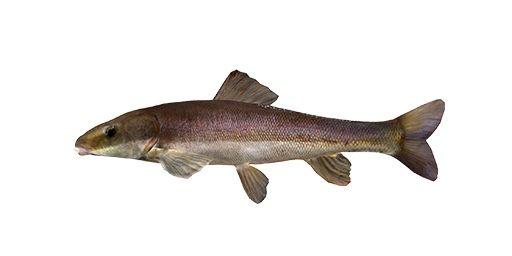
The Longnose Sucker is a common freshwater species found throughout the White River system in Arkansas. Recognizable by its elongated snout and moderate size, this bottom-feeding fish prefers current-driven areas and rocky structures where food sources concentrate. These fish are well-adapted to river environments and often hold in specific zones where guides with local expertise know to focus effort.
Longnose Sucker respond well to established fishing techniques, and the White River near Cotter provides ideal habitat for these species. The river's current, substrate composition, and food availability make this location a reliable destination for anglers targeting this species. Understanding their behavior, feeding patterns, and habitat preferences increases success rates significantly.
These fish are opportunistic feeders, and productive fishing often involves working established techniques with precision and patience. Guided trips provide the advantage of learning proven methods while fishing alongside someone who understands exactly where and when these fish feed. The White River's character as a flowing river system creates dynamic conditions that reward both technique and local knowledge.
The guided experience on the White River allows you to develop skills specific to river fishing while benefiting from professional guidance. Joe's familiarity with seasonal patterns and water conditions throughout the year ensures your trip capitalizes on current fish behavior. Whether fishing spring through fall, the approach adapts to what the water and season present.
Plan Your Fishing Day
A guided fishing trip on the White River requires comfortable clothing appropriate for river conditions and weather. Joe's Guide Service provides the professional expertise and local knowledge needed for a successful outing. The White River environment offers scenic Arkansas riverside setting while focusing on active fishing for Longnose Sucker and other species.
Trips operate with experienced guidance focused on maximizing your fishing effectiveness. Contact Joe's Guide Service for details on trip timing, group size, and what to prepare for your day on the water.
Fishing in White River: Longnose Sucker
Longnose Sucker Overview
The longnose sucker (Catostomus catostomus) is a freshwater fish belonging to the family Catostomidae within the order Cypriniformes. What makes this species instantly recognizable is its distinctively elongated snout that extends well past its upper lip, setting it apart from similar sucker species like the white sucker. These bottom-dwelling fish are found in cool, clean waterways throughout North America, and they're particularly notable to anglers and nature enthusiasts as a native species that demonstrates fascinating spawning behaviors and seasonal migrations. Whether you're fishing in Alaska or exploring river systems in the Northeast, the longnose sucker plays an important ecological role in freshwater ecosystems.
Longnose Sucker Habitat and Distribution
Longnose suckers thrive in deep lakes, rivers, and tributary streams characterized by clear, cold water temperatures ranging from 30 to 60 degrees Fahrenheit. They prefer substrates with gravel and are rarely found in warm, murky environments. Their native range spans almost throughout Canada and the United States, including the Atlantic and Pacific basins along Canada and Alaska. Geographically, they occur in the Atlantic slope down to the Delaware River basin in New York, Maryland, and West Virginia. You'll also find them in the Missouri River basin south of Nebraska and Colorado, the Monongahela River basin in Maryland and West Virginia, and throughout the Great Lakes basins. Interestingly, these fish have even been documented in brackish Arctic waters in Siberia, Russia. One particularly robust population thrives in Lake Koocanusa, a reservoir spanning British Columbia and Montana created by the Libby Dam, where they've established an ideal breeding ground and occasionally crossbreed with white suckers.
Longnose Sucker Size and Weight
These are relatively small fish compared to other freshwater species. The longnose sucker typically measures between 8 to 15 inches in length, with an average around 9 to 10 inches long. Most individuals weigh between 1 to 5 pounds, though the all-tackle world record reached an impressive 6 pounds and 9 ounces. Interestingly, certain isolated populations along the Connecticut River and upper Merrimack River basins are known as dwarf longnose suckers and rarely exceed 10 inches in length, representing a localized adaptation to their specific habitat conditions.
Longnose Sucker Diet and Behavior
As dedicated bottom-feeders, longnose suckers spend most of their time in shallow waters foraging along the river or lake bed. Their diet consists primarily of algae, midge larvae, fish eggs, and various aquatic invertebrates found in the benthic zone. Rather than teeth in their mouths, they possess pharyngeal teeth located near their digestive tract, which work in conjunction with their specialized papillae-lined lips to create powerful suction. This unique feeding apparatus allows them to dislodge and consume food items from the substrate with remarkable efficiency. During non-spawning periods, they're relatively solitary and remain in deeper pools or lake environments, exhibiting cautious behavior that makes them challenging targets for anglers who lack patience and observation skills.
Longnose Sucker Spawning or Seasonal Activity
One of the most fascinating aspects of longnose sucker biology is their dramatic spawning ritual. Typically occurring between April and July during daylight hours, these fish undertake impressive migrations upstream from lakes and slow-moving deep pools toward shallow gravel-bottomed streams. As they prepare to spawn, adults develop a brilliant red stripe across the lateral line and grow horny tubercles on their fins, creating a striking visual transformation. During the spawning act itself, males rise from the bottom to follow females moving toward the stream's center. When eggs are released, males attach themselves to females and vibrate together in synchronized motion to simultaneously release eggs and sperm. A single female can produce up to 60,000 eggs, which hatch within one to two weeks. Longnose suckers typically spawn annually, with river residents staying through the summer months while migratory populations return to their origin points afterward.
Longnose Sucker Techniques for Observation or Capture
The longnose sucker is not considered a premier gamefish, yet patient anglers can still find success targeting them with specialized techniques. Method One: River Mouth Fishing Focus your efforts on smaller rivers with decent current, particularly around the river's mouth where suckers congregate in good numbers. Use a 6 to 7-foot medium to heavy spinning rod with 14-pound test line, 1/0 to 3/0 bait hooks, and 0.5 to 2-ounce sinkers—similar tackle to what you'd use for catfish. Make your hook line longer than your sinker line, and bait with regular earthworms. Position your rod so any slight movement is immediately noticeable, then wait patiently as suckers often bite stealthily. Be prepared to reel in other species when using worms, but expect a productive session when using this setup. Method Two: Spawning Ground Targeting Visit known spawning grounds during April through July for dramatically increased success rates. Longnose suckers gather in large numbers during these periods, making them vulnerable to capture. Use the same tackle configuration but position yourself upstream of where fish are migrating. Method Three: Lake Deep-Water Fishing In deeper lake environments, fish along drop-offs and near the thermocline during warmer months when longnose suckers move to cooler layers. Around locations like Lake Koocanusa in British Columbia and Montana, this approach yields consistent results. Remember that successful sucker fishing rewards keen observation and patience far more than active casting—this is a waiting game where tight lines and calm persistence prevail.
Longnose Sucker Culinary or Utilization Notes
The longnose sucker is not highly prized for human consumption, primarily because their white flesh contains numerous small bones throughout, making them unpalatable to most diners. Consequently, they've found alternative utility as bait for larger fish species and historically as dog food. Some indigenous communities have utilized them for sustenance purposes, but modern recreational anglers typically catch and release them or use them as forage for predatory gamefish. From an ecological perspective, however, they're valuable components of freshwater ecosystems, serving as prey for pike, trout, and other predatory species while helping to maintain benthic community health through their feeding activities.
Longnose Sucker Frequently Asked Questions
Q: What is the best bait for catching longnose suckers?
A: Earthworms are the most reliable bait choice for longnose suckers. Present them on the bottom using a sinker rig, and be patient—these fish bite cautiously and deliberately. Avoid heavily scented baits, as they prefer the natural presentation of regular garden worms.
Q: Where can I find longnose suckers near popular fishing destinations?
A: Lake Koocanusa in British Columbia and Montana hosts robust longnose sucker populations, making it an excellent destination. The Connecticut River and upper Merrimack River basins in New England also support established populations, including the unique dwarf longnose sucker subspecies.
Q: Is the longnose sucker good to eat?
A: No, longnose suckers are not recommended for consumption due to their numerous small bones and bland white flesh. They're primarily utilized as bait for other fish species or as indicators of healthy freshwater ecosystems rather than as a food source.
Q: When is the best time to observe or catch longnose suckers?
A: April through July is peak spawning season when longnose suckers congregate in shallow gravel streams and are most observable and catchable. During this period, you can witness their dramatic color changes and spawning behaviors. Outside these months, focus on deeper pools and lake environments during cooler water temperatures.
Q: Why is the longnose sucker considered the only sucker species in Alaska?
A: This distinction reflects the ecological uniqueness of Alaskan freshwater systems and the evolutionary isolation of longnose sucker populations in northern ranges. Their adaptation to cold Arctic and sub-Arctic waters makes them the dominant and often only sucker species encountered in many Alaskan river and stream systems.
Q: What is the Weberian apparatus, and why do longnose suckers have it?
A: The Weberian apparatus is a specialized series of vertebrae linked to the fish's ear and swim bladder that enhances their ability to sense sound and detect variations in water pressure. This adaptation allows longnose suckers to navigate murky river systems and coordinate their remarkable group spawning behaviors with greater precision and awareness of their environment.
